Landing Page Work from Home Concept: Redefining Productivity and Creativity
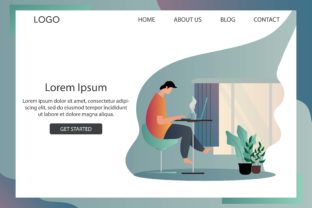
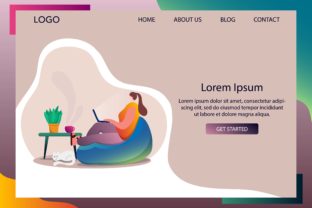
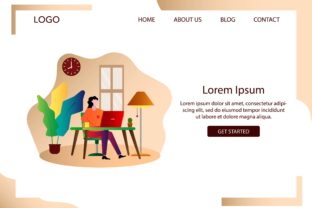
In today’s rapidly evolving digital landscape, the concept of a landing page work from home has become more than just a trend—it’s a transformative approach to how professionals, creators, and entrepreneurs manage their workflows. As remote work continues to reshape industries, the landing page work from home concept offers a structured yet flexible way to optimize productivity, creativity, and efficiency while working in a home environment.
This article explores what the landing page work from home concept entails, its relevance in modern business and lifestyle trends, and how it aligns with the shifting expectations of today’s workforce. Whether you're a freelancer, a small business owner, or part of a larger organization, understanding this concept can help you adapt and thrive in a world where flexibility is key.
What Is the Landing Page Work from Home Concept?
The landing page work from home concept refers to the strategic use of a dedicated landing page as a central hub for managing remote work tasks, communication, and project execution. Unlike a generic website, a landing page designed for remote work serves as a digital workspace that streamlines access to tools, resources, and collaboration platforms.
It’s not just about having a homepage; it’s about creating an optimized interface that supports the unique needs of remote workers. This could include integrating project management tools, setting up task lists, embedding calendars, and providing easy access to client portals or team dashboards.
By leveraging the landing page work from home concept, individuals and teams can maintain focus, reduce distractions, and ensure that all necessary resources are readily available without the need to navigate through multiple applications or websites.
How the Concept Fits Into Broader Trends
The rise of the landing page work from home concept aligns with several broader industry and consumer trends. The shift toward remote and hybrid work models has been accelerated by technological advancements, changing employee preferences, and the growing demand for work-life balance.
According to recent studies, a significant percentage of professionals now prefer or require the ability to work remotely. This has led to an increased need for digital solutions that support seamless remote operations. A well-designed landing page can serve as a one-stop solution for these needs, offering a centralized space for communication, task management, and resource access.
Additionally, the landing page work from home concept reflects the growing importance of user experience (UX) in digital tools. As people become more accustomed to intuitive interfaces, they expect their work environments to be equally efficient and user-friendly. A landing page tailored for remote work meets this expectation by providing a streamlined, accessible, and customizable digital workspace.
Why People Are Paying Attention to This Concept
The landing page work from home concept is gaining traction because it addresses real-world challenges faced by remote workers. One of the primary reasons people are paying attention to this idea is the need for better organization and structure in a home office environment.
Without the physical boundaries of a traditional office, many remote workers struggle with distractions, unclear workflows, and disconnection from their teams. A landing page designed for remote work helps mitigate these issues by creating a digital boundary that separates work from personal life. It also ensures that essential tools and information are always within reach, reducing the time spent searching for resources.
Moreover, the landing page work from home concept is appealing to freelancers and entrepreneurs who rely on multiple platforms and tools. By consolidating these elements into a single, organized landing page, they can save time, improve efficiency, and maintain a professional image across all their projects and clients.
Changing Needs and Preferences in the Modern Workplace
As the modern workplace continues to evolve, so do the needs and preferences of professionals. The landing page work from home concept is a response to these changes, offering a solution that adapts to new ways of working.
One of the most significant shifts is the move toward asynchronous communication and self-directed workflows. Remote workers often operate across different time zones and may not have the luxury of real-time collaboration. A landing page that includes task management systems, shared documents, and communication tools can support this type of workflow, ensuring that everyone stays aligned without constant interruptions.
Another factor driving the popularity of the landing page work from home concept is the increasing emphasis on mental health and well-being. With the blurring lines between work and personal life, many professionals are seeking ways to create clear boundaries. A dedicated landing page can help establish these boundaries by serving as a visual and functional representation of the workday, making it easier to switch between work and personal modes.
Practical Examples and Observations
Many businesses and independent professionals have already begun implementing the landing page work from home concept with great success. For example, a freelance graphic designer might create a landing page that includes links to their portfolio, project management tools, client communication channels, and a calendar for scheduling meetings. This not only improves their workflow but also enhances their professional image by presenting a cohesive and organized online presence.
Similarly, a small marketing agency might use a landing page to centralize all client interactions, project timelines, and internal communications. This approach reduces the need for constant email exchanges and ensures that all team members have access to the same information in real time.
Observations from these implementations show that the landing page work from home concept can lead to increased productivity, better collaboration, and improved client satisfaction. When all necessary tools and resources are easily accessible, remote workers can focus more on their tasks and less on navigating complex systems.
Connecting to Larger Developments in Technology and Business
The landing page work from home concept is not just a standalone idea—it’s part of a larger movement toward digital transformation and remote-first strategies. As businesses continue to adopt cloud-based solutions, AI-driven tools, and automation, the need for a centralized digital workspace becomes even more critical.
For instance, the integration of artificial intelligence into landing pages can enhance the landing page work from home concept by offering personalized recommendations, automated task prioritization, and smart scheduling. These features can further streamline workflows and reduce the cognitive load on remote workers.
Furthermore, the concept aligns with the growing trend of digital nomadism, where professionals choose to work from anywhere in the world. A well-structured landing page ensures that these individuals can maintain their productivity and connectivity regardless of their location, making it an essential tool in the modern digital economy.
Conclusion
The landing page work from home concept represents a powerful shift in how we approach remote work. By combining the principles of digital organization, user experience, and modern technology, it offers a practical and effective solution for professionals looking to optimize their workflows and enhance their productivity.
As the future of work continues to evolve, the landing page work from home concept will likely play an increasingly important role in shaping how we work, collaborate, and succeed in a digital-first world. Whether you’re a freelancer, entrepreneur, or part of a larger team, embracing this concept can help you stay ahead of the curve and unlock new opportunities for growth and innovation.